Determine how often to replace household items by assessing their physical wear and safety performance, such as changing HVAC filters every few months and replacing non-stick pans when the coating begins to peel. Experts generally recommend replacing hygiene-sensitive items like cleaning rags monthly, while safety equipment should be checked regularly to ensure a secure and efficient environment.
Many homeowners find themselves surrounded by items that look functional but have long since lost their efficacy. Whether it is a kitchen sponge harboring bacteria or a mattress that no longer supports your spine, the items we rely on daily eventually reach a point of diminishing returns. While the desire to maximize every purchase is understandable, holding onto degraded goods compromises both hygiene and home safety. This guide provides a definitive timeline for rotating your essentials, ensuring your household remains efficient and secure. We will explore replacement schedules for kitchen tools, bathroom staples, and critical safety devices like smoke detectors. You will also learn professional maintenance strategies to extend the life of your quality investments, allowing you to manage your home with the precision and care it deserves.
The Practical Balance Between Longevity and Safety
In a community like Beaver, we take pride in taking care of what we own. Most of us were raised to value getting every bit of utility out of a purchase and avoiding waste whenever possible. We are not interested in the throwaway culture seen in bigger cities where items are discarded just because a newer model hit the shelves. However, knowing how often to replace household items is a matter of balancing that natural thriftiness with the actual health and safety of your family.
Using an item until it literally falls apart is sometimes seen as a badge of honor, but for certain essentials, waiting that long creates hidden risks. Bacteria buildup in the kitchen or a degraded sensor in a smoke detector can have real consequences that far outweigh the cost of a replacement. A truly practical approach means replacing an item only when its performance drops below a functional level or when it poses a legitimate safety hazard.
At Keiths Store, we operate as a community focused retailer that understands the value of a dollar. Our curated selection of everyday essentials focuses on durability and fair pricing. We want to help you extend the life of your belongings while providing reliable, affordable replacements for when a swap is truly necessary to keep your home running smoothly.
Kitchen Essentials: When to Swap Sponges and Cookware
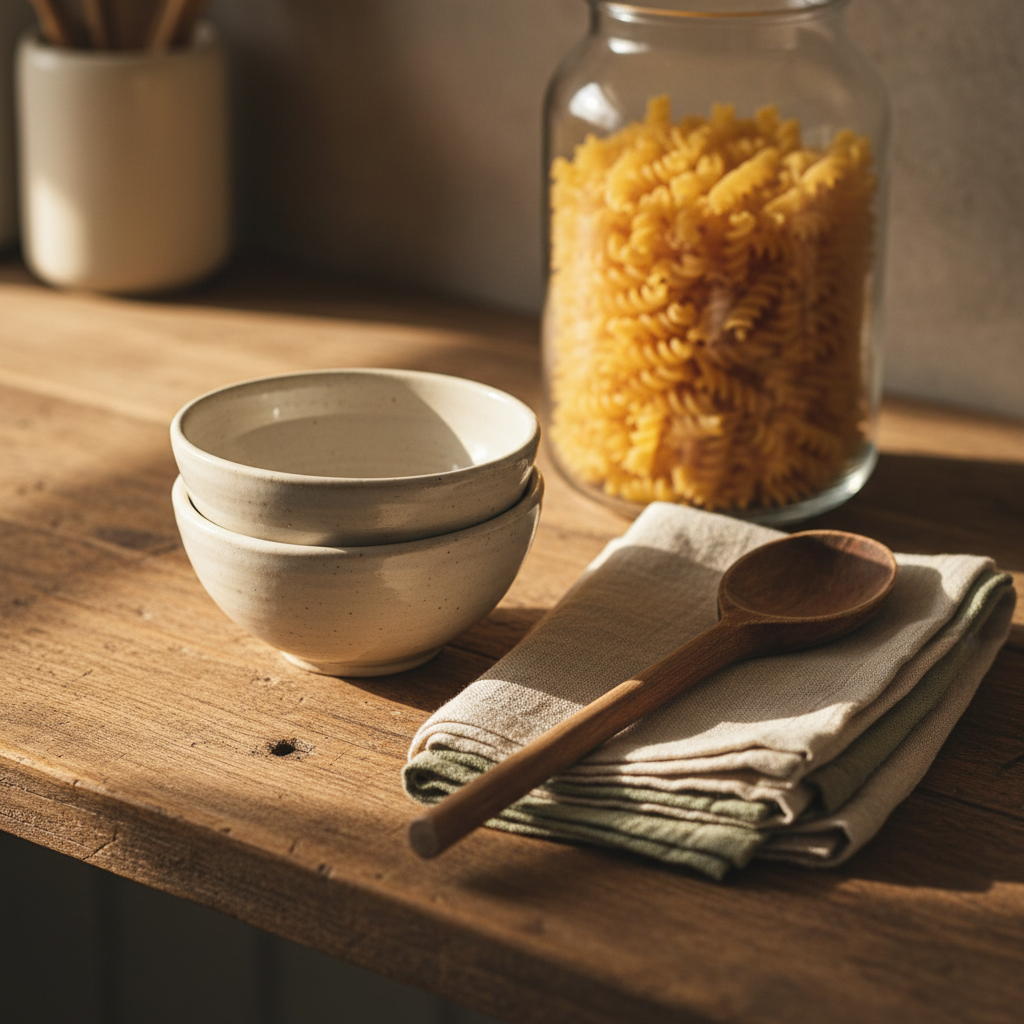
The kitchen is the engine of the home, but it is also where bacteria find the easiest foothold. For most residents in Beaver, the kitchen sponge is a primary tool for daily cleanup. However, research indicates that sponges can harbor more bacteria than almost any other item in your house. To maintain a hygienic environment, aim to replace them every 2 to 4 weeks. You can extend their usefulness by running them through a high-heat dishwasher cycle or microwaving them while damp for one minute; however, these methods only delay the inevitable. When the material starts to crumble or develops a persistent odor, it has reached its limit.
Cookware requires a different kind of scrutiny. Non-stick pans are prized for their convenience, but their lifespan is dictated by the integrity of their coating. Once you notice the surface peeling, flaking, or showing deep scratches, the pan has reached the end of its safe utility. Damaged coatings can allow chemicals to leach into your meals and make the surface difficult to fully sanitize. If food consistently sticks to a previously slick pan, the performance has dropped below a functional level, and the item should be retired.
Wooden cutting boards are long-term investments that require regular maintenance. Deep grooves from years of heavy knife work are nearly impossible to clean thoroughly, providing a haven for foodborne pathogens. You can significantly prolong the life of a wooden board by regularly applying food-grade mineral oil to keep the wood from drying out or cracking. If the board warps, develops deep splits, or shows grooves that you can no longer scrub clean, a replacement is necessary for food safety.
Understanding how often to replace household items in the kitchen allows you to spend your budget wisely on tools that actually perform. At Keiths Store, we prioritize a curated selection of everyday essentials that stand up to daily use. If you are unsure if your current cookware is still safe to use, contact us for inventory questions or visit us to see our practical, durable alternatives.
Bathroom Basics: Timelines for Toothbrushes and Towels
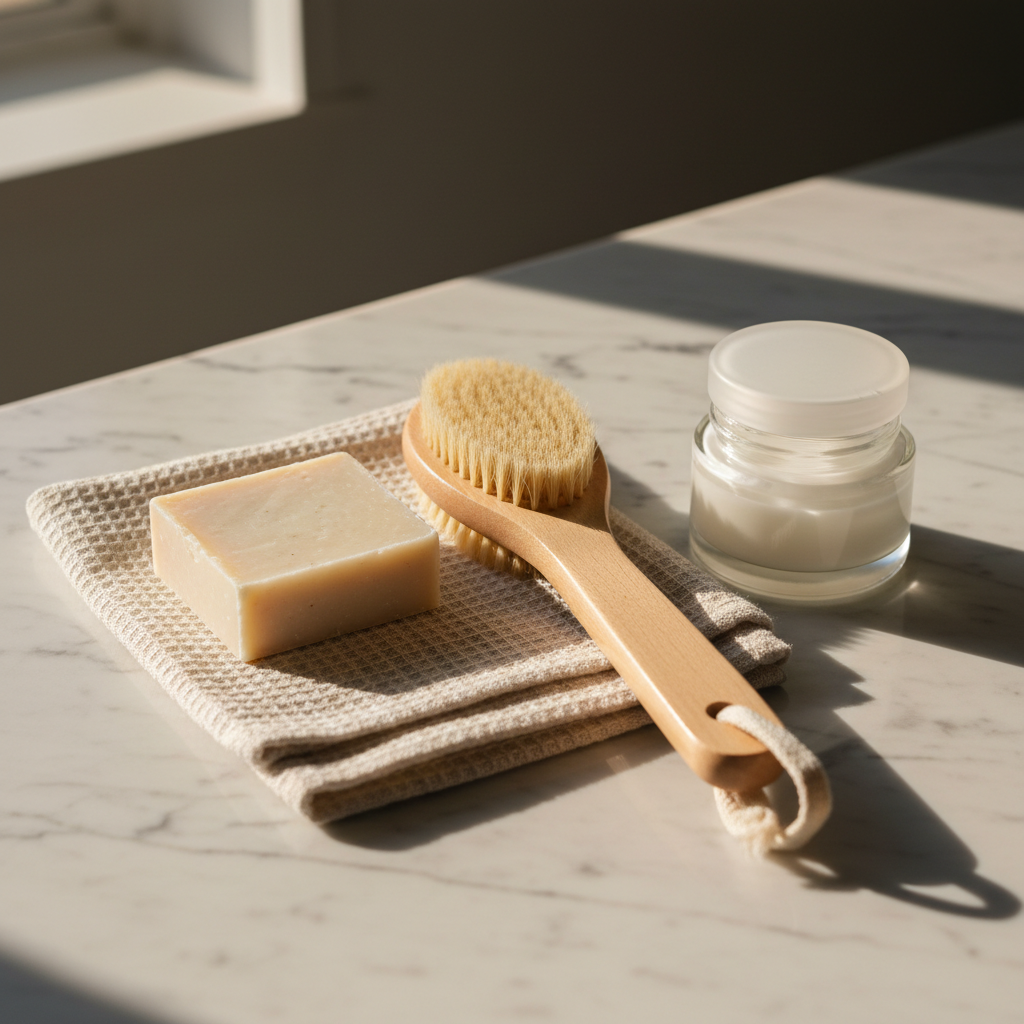
Transitioning from the kitchen to the bathroom requires a similar focus on hygiene and physical degradation. The most personal tool in this space is your toothbrush. Most dental professionals recommend a new brush every three months, or sooner if the bristles appear frayed. Frayed bristles do not clean as effectively and can actually damage gum tissue. Additionally, you should always swap out your toothbrush after recovering from a cold or flu to prevent lingering germs from re-exposing your system.
Determining how often to replace household items like towels requires looking at performance rather than just age. A quality towel should generally last between two and five years. You will know it is time for a replacement when the fabric loses its "bite," which is that slight textured grip that aids in drying. If your towels retain a musty odor even after a high-heat wash, the fibers have likely broken down enough to trap bacteria and detergent residue permanently. At this stage, the towel is no longer hygienic or effective.
Bath mats are often overlooked, but they present a specific safety concern for Beaver residents. The rubberized backing on these mats eventually becomes brittle and begins to crumble, particularly in our dry climate. Once this backing fails, the mat loses its grip on the tile or linoleum and becomes a significant tripping hazard, which is a major concern for seniors in our community. Checking the underside of your mats every few months is a simple way to prevent a dangerous fall. At Keiths Store, we provide a curated selection of everyday essentials designed for longevity and safety. If you are assessing your bathroom supplies and need help finding durable replacements, feel free to contact us for inventory questions.
Bedroom Comfort: How Often Should You Replace Pillows and Mattresses
Moving from the bathroom to the bedroom shifts the focus from hygiene to the quality of your rest. While we often view a mattress or pillow as a permanent fixture, these items have a finite functional lifespan that directly impacts your health and daily energy levels. Understanding how often to replace household items in the bedroom is largely about monitoring physical support and allergen accumulation.
Pillows are usually the first to lose their utility. Over one to two years, they lose their loft and begin to trap skin cells and dust mites, which can aggravate allergies. You can perform a simple fold test to check the integrity of your pillow: fold it in half and hold it for a few seconds. If it does not immediately spring back to its original shape when released, the internal fibers have broken down. A flat pillow fails to align your neck and spine, leading to headaches and restless nights.
Mattresses represent a larger financial commitment; most high quality models should last between seven and ten years. However, the calendar is less important than your physical experience. If you notice visible sagging, feel the internal springs, or consistently wake up with lower back pain, the mattress has reached its end regardless of its age. For a practical household, investing in a durable and well built mattress is always more cost effective than buying a low quality version that requires frequent replacement. At Keiths Store, we prioritize a curated selection of everyday essentials that offer real value. If you have questions about our bedroom inventory, contact us for inventory questions to ensure you are getting the rest you need for a productive day in Beaver.
Home Maintenance and Safety: Smoke Detectors and Air Filters
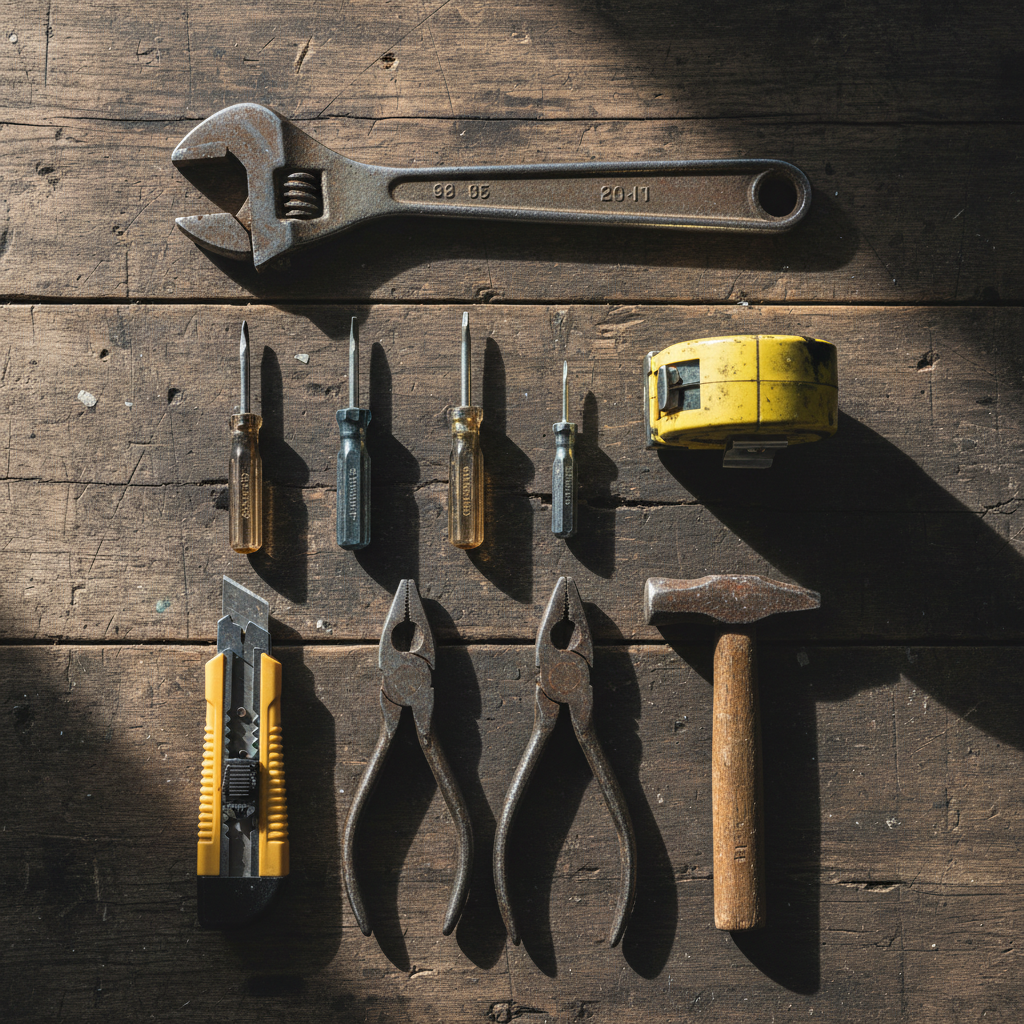
Ensuring a good night’s rest is vital, but maintaining the systems that protect your home is the highest priority for any practical household. While bedroom and kitchen items affect comfort and hygiene, safety devices have strict expiration dates that directly impact life and property. Understanding how often to replace household items in this category is not a matter of opinion; it is a matter of manufacturer specification.
Smoke detectors are often neglected once they are mounted. While most homeowners remember to swap the batteries annually, the entire unit must be replaced every 10 years. The internal sensors that detect smoke particles degrade over time, making them less responsive even with fresh batteries. You should remove the unit from the ceiling and check the manufacture date printed on the back. If it is a decade old, it is time for a new one. Similarly, carbon monoxide detectors generally have a shorter functional lifespan of five to seven years.
In the unique climate of Beaver, Utah, air filter maintenance is a significant part of home care. Our high-wind days and local dust levels mean that HVAC systems work harder than in other regions. While standard advice suggests replacing filters every three months, a more practical approach for our area is to check the filter monthly. If it looks grey or carries a heavy layer of dust, replace it immediately. A clean filter ensures better air quality and prevents the furnace or air conditioner from straining, which lowers monthly utility bills and prevents costly repairs. This focus on efficiency aligns with our goal of providing value through smart home management.
Fire safety also requires regular inspection. You should check the pressure gauge on your fire extinguishers once a month to ensure the needle remains in the green zone. If the gauge drops, the unit may not discharge properly when needed.
Item | Replacement / Check Frequency | Reason for Action |
|---|---|---|
Smoke Detector | Replace every 10 years | Sensor degradation |
CO Detector | Replace every 5-7 years | Sensor reliability |
Air Filter | Check monthly; Replace 1-3 months | Dust buildup and HVAC efficiency |
Fire Extinguisher | Check gauge monthly | Ensure pressure for discharge |
At Keiths Store, we aim to be a community focused retailer that provides the tools you need to keep your home safe. We stock a curated selection of everyday essentials to help you manage these critical schedules without overspending. If you are unsure which filter size or safety device is right for your home, feel free to contact us for inventory questions.
How to Make Your Household Goods Last Longer
Maximizing the lifespan of your belongings is a core value in Beaver. While understanding how often to replace household items is essential for safety, consistent maintenance can significantly delay those costs. For mattresses, rotating the unit 180 degrees every six months prevents deep body impressions and structural sagging. Similarly, preserving linens involves reducing heat exposure; air-drying towels or using a low-heat dryer cycle prevents the cotton fibers from becoming brittle and losing absorbency.
Kitchen appliances also benefit from routine care. Cleaning your dishwasher filter monthly removes food debris that forces the motor to work harder, which eventually leads to premature failure. At Keiths Store, we view ourselves as a community focused retailer that helps you get the most out of every purchase. By investing a few minutes in maintenance, you support a home that is both efficient and frugal. If you need specific cleaning supplies or tools to maintain your home, visit our curated selection of everyday essentials or contact us for inventory questions to find the right fit for your needs.