
A comprehensive winter storm preparedness checklist for home includes stocking a multi day supply of non perishable food, one gallon of water per person daily, and necessary medications. You should also secure flashlights, extra batteries, and warm bedding to ensure safety and comfort during potential power outages caused by severe winter weather.
There is a distinct moment every Utah resident knows well, it is that first morning when the frost stays on the ground and the furnace kicks on with a heavy rattle. For rural homeowners, this change in season represents more than just a temperature drop; it is a firm deadline for safety. Waiting until the first major snowstorm to inventory your supplies often leads to empty shelves and unnecessary stress when the power inevitably fails. At Keiths Store, we understand that real peace of mind comes from a proactive, expert approach to property maintenance. In this guide, we will walk you through essential fall maintenance tasks, the critical supplies needed to survive a 72 hour outage, and the specialized tools required to manage heavy ice. You will learn how to build a budget friendly emergency kit and ensure your home remains a sanctuary even in the harshest conditions.
Why Early Fall Preparation is Critical for Rural Utah Winters
Living in the shadow of the Tushar Mountains means local residents understand that a Beaver winter is more than just a few cold days. The transition from fall to winter happens quickly, often leaving little room for error if you haven’t secured your property. In our rural community, being ready is a matter of practical self-sufficiency. When a heavy storm rolls through, road crews and emergency services have a lot of ground to cover. Help can take longer to arrive in rural Beaver County, making it essential for every household to have a solid winter storm preparedness checklist for home that covers both immediate needs and long-term maintenance.
At Keiths Store, we view winter readiness as a holistic process. It is not just about stashing a few extra blankets or finding a flashlight when the lights flicker. It is about ensuring your home functions efficiently when the mercury drops well below freezing. True preparedness bridges the gap between autumn chores and winter survival. By focusing on essential home products and proactive maintenance now, you can maintain comfort and safety rather than just enduring the elements. Taking these steps early ensures that your family remains secure even when the Tushar peaks are buried in snow.
Fall Home Maintenance: Preventing Problems Before the First Freeze

Before you check off the emergency kit items, you must address the physical structure of your home. Preventive maintenance is the first line of defense in any winter storm preparedness checklist for home. Start with the gutters. Removing leaves and debris ensures that meltwater flows freely. Clogged gutters lead to ice dams, which force moisture under your roof shingles and eventually into your attic. While you are on the ladder, visually inspect the roof for loose or damaged shingles that might not withstand heavy snow loads.
Exterior water management is equally vital. Disconnect all garden hoses from outdoor spigots. A connected hose traps water inside the pipe, which then freezes, expands, and bursts the plumbing inside your walls. For exposed pipes in unheated areas, use a utility knife to cut foam insulation to size, securing it tightly to prevent freezing. This simple step prevents the mess and expense of a flooded basement during a mid-winter thaw.
Sealing the envelope of your house keeps heat in and energy costs down. A high quality caulking gun is the right tool for closing gaps around window frames and where siding meets the foundation. Indoors, inspect your wood thresholds. If they have shrunk or cracked, they allow significant drafts to enter the living space. Replacing or sealing these thresholds, along with checking your gas fireplace for proper venting and pilot light operation, prevents issues that are much harder to fix in January. You can find many of these essential home products to complete these tasks before the ground freezes. These small, practical steps ensure your home remains a reliable shelter when the Tushar Mountains are hit with the season's first major accumulation.
The Ultimate Winter Storm Preparedness Checklist for Home and Power Outages

Once the physical structure of your home is prepared, the focus shifts to internal self-sufficiency. A comprehensive winter storm preparedness checklist for home must account for the high probability of utility interruptions. In rural Beaver, where many residents rely on private wells, a power outage does not just mean the lights go out; it means the water stops flowing.
One common question we hear is why you should fill a bathtub before a snowstorm. For those on well systems, the electric pump requires power to pull water into the house. By filling a tub beforehand, you create a reservoir of non-potable water that can be used to manually flush toilets. Simply pour a bucket of water quickly into the bowl to trigger the siphon. For drinking and cooking, plan for at least one gallon of water per person, per day, for a minimum of three days. If you have questions about water storage containers, you can contact us for availability at the store.
Nutrition is equally critical during a cold-weather emergency because your body burns more calories to maintain its core temperature. Focus on energy-dense, non-perishable foods that require no cooking or refrigeration.
Peanut butter and crackers: High in protein and fats for sustained energy.
Canned tuna or chicken: Provides essential protein without needing a heat source.
Manual can opener: This is perhaps the most overlooked essential in modern kitchens. If the power fails, an electric opener is useless. A sturdy, mechanical opener ensures your food supply remains accessible.
Effective lighting is the final pillar of immediate survival. While flashlights are standard, having multiple light sources allows you to navigate your home safely without draining a single set of batteries. You can find these and other essential home products to round out your kit.
Item Category | Essential Selection | Purpose |
|---|---|---|
Hydration | 3 gallons per person | Drinking and basic hygiene |
Utility Water | Full bathtub | Manual toilet flushing during pump failure |
Sustenance | Protein-rich non-perishables | Maintaining body heat and energy |
Tools | Manual can opener | Accessing canned goods without electricity |
Sanitation | Moist towelettes | Conserving water for drinking |
Prioritizing these items ensures that even if a blizzard shuts down the roads, your household remains functional and fed.
Essential Supplies for 72 Hours Without Power
Navigating a prolonged outage requires more than just a single beam of light. While flashlights are useful for searching a cupboard, LED lanterns provide 360 degree illumination for shared living spaces. Headlamps are arguably the most practical tool in a rural setting; they allow you to keep your hands free for feeding livestock, hauling wood, or adjusting a generator. Every kit should include a battery powered or hand crank NOAA weather radio. In Beaver, cellular signals can fluctuate during heavy mountain snow; a radio ensures you receive real time alerts from the National Weather Service without relying on a data connection.
Maintaining sanitation without running water is a challenge often missing from a basic winter storm preparedness checklist for home. Stock plenty of moist towelettes and heavy duty garbage bags to manage waste and personal hygiene while conserving your drinking water. We recommend organizing these essential home products into two distinct categories: a comprehensive Stay-at-Home Kit for long term shelter and a streamlined Go-Kit. The Go-Kit should be a portable bag containing seven days of medications, copies of important documents, and extra cash, ready to be grabbed if local authorities advise evacuation due to extreme conditions. You can contact us for availability if you need to restock these specific survival components before the first heavy drifts arrive.
Heating and Comfort: Staying Warm When the Furnace Fails
Maintaining body temperature is the most critical priority once the furnace stops. In a rural home, the quickest way to preserve heat is by establishing a central warm room. Choose a space with the fewest windows or one that receives the most afternoon sunlight; then, hang thermal curtains or heavy wool blankets over doorways and windows to trap residual heat inside. For a budget friendly way to reinforce your winter storm preparedness checklist for home, use plastic film kits to seal window drafts. These kits create an airtight barrier that significantly slows heat loss through the glass.
If your heating system relies on a battery operated thermostat, keep a fresh pack of alkaline batteries nearby. A dead battery can prevent a furnace from firing even if the gas lines and power are functional. For backup heat, only use heaters explicitly rated as indoor safe, such as specific propane radiant heaters equipped with oxygen depletion sensors. Always maintain proper ventilation and keep a three foot clearance from combustible materials. You can find these essential home products to help insulate your space before the next cold front hits the Tushar range. If you have questions about which insulation supplies are best for your floor plan, contact us for availability or advice. Prioritize layered clothing, focusing on wool or synthetic materials that wick moisture away from the skin to keep your core temperature stable.
Tools and Gear for Managing Ice and Snow
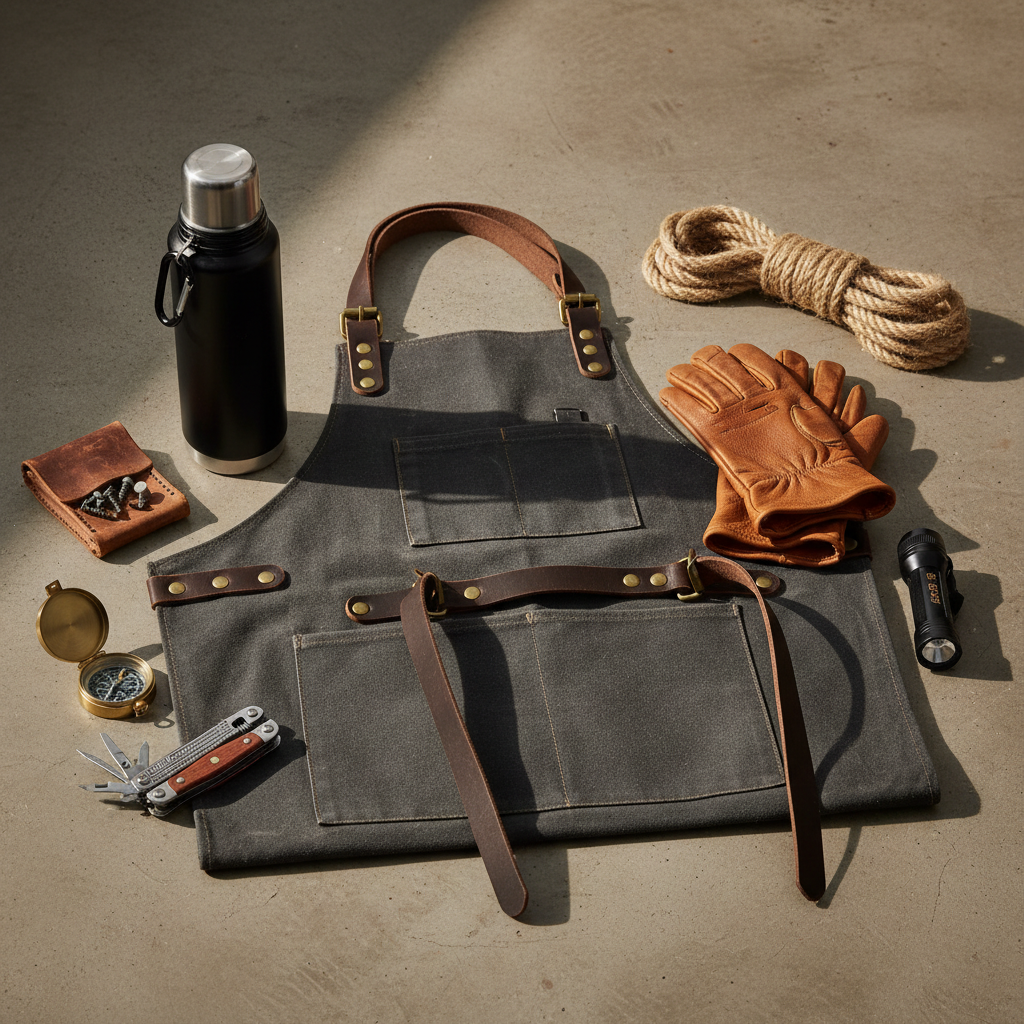
Outdoor maintenance in rural Utah requires a focused, workmanlike approach. When a storm cycles through Beaver, residents often need to clear their own paths to the main road long before the city plows reach the neighborhood. A practical winter storm preparedness checklist for home should include heavy duty tools that can handle packed drifts and sub zero temperatures.
Equipment | Key Features | Primary Use |
|---|---|---|
Snow Shovel | Reinforced poly or steel edge | Clearing walkways and stairs |
Ice Melt | Pet-safe, low-temperature rated | Preventing slip hazards on concrete |
Vehicle Scraper | Long handle with sturdy blade | Removing ice and heavy snow from trucks |
Choose a shovel with an ergonomic shaft to reduce back strain during heavy lifting. For ice management, magnesium chloride blends are effective at lower temperatures and are gentler on livestock and pets than standard rock salt. Beyond the heavy gear, keep durable, insulated waterproof gloves and a high quality thermos ready. A hot drink provides essential internal warmth while you work through the cold. You can find these essential home products at the store, or contact us for availability on specific snow removal inventory before the first accumulation.
How to Build Your Emergency Kit on a Budget

Building a comprehensive winter storm preparedness checklist for home does not require a single, expensive investment. We recommend a phased approach that mirrors the practical needs of Beaver residents. Start with reliable lighting, such as LED lanterns or headlamps, because safety hinges on visibility. Next, secure water storage containers, which are inexpensive but vital for those on well systems. Finally, add energy dense foods to your pantry.
Focus on multi-purpose tools, like a high-quality pocket knife or a heavy-duty tarp, that serve daily functions while doubling as survival gear. At Keiths Store, we prioritize fair pricing on essential home products to ensure self-sufficiency is accessible to everyone. You can contact us for availability on specific items as you build your kit one step at a time. This methodical way of shopping ensures you get the most value for your dollar while systematically reducing your household risk.