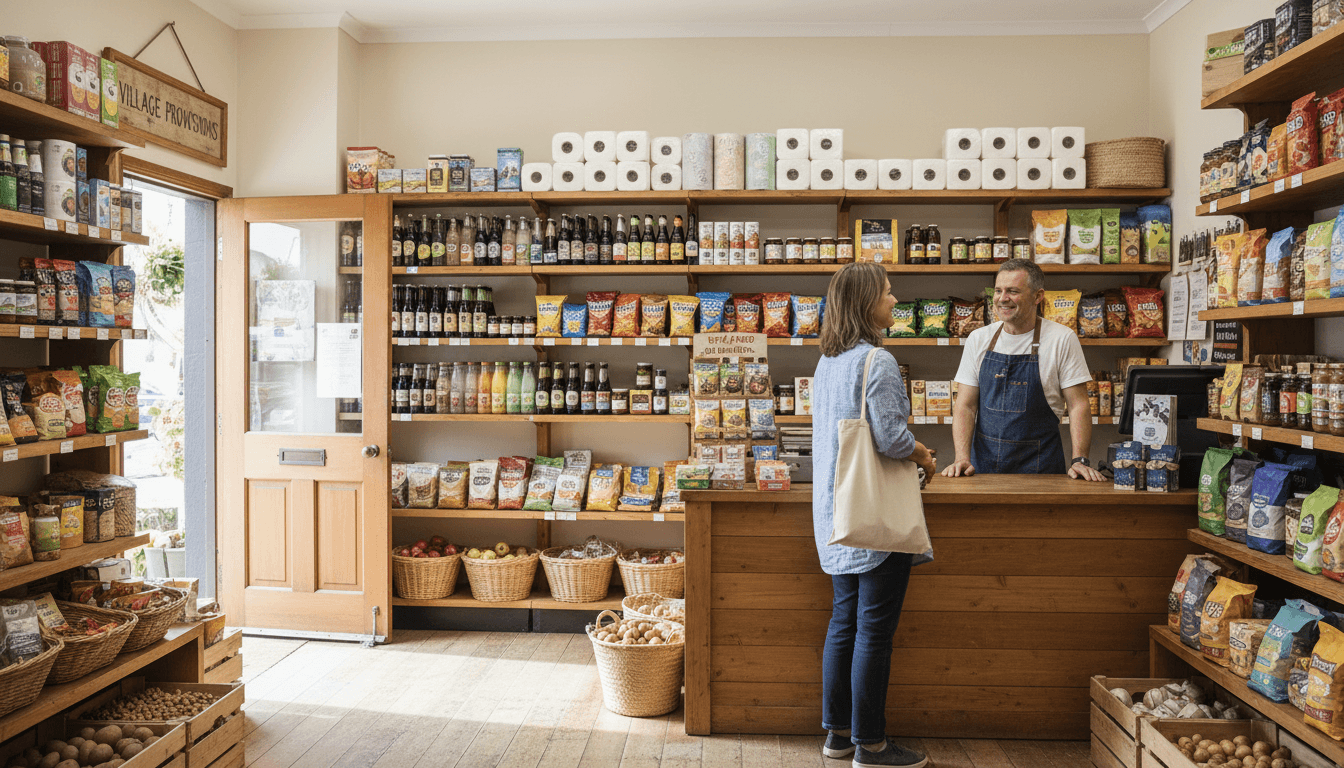
To stock a pantry for winter, prioritize shelf-stable essentials such as rice, pasta, canned goods, and grains like oatmeal or quinoa. Incorporate hearty root vegetables like potatoes and squash alongside bulk baking supplies to maintain a versatile food supply during the colder months. Building this inventory gradually through seasonal sales ensures you have reliable access to nutrition when travel is limited.
When the first heavy snowfall blankets the Wasatch Front, the convenience of a quick grocery run often vanishes behind closed passes and icy mountain roads. For families living in Utah’s higher elevations, a sparse pantry represents more than a mere inconvenience; it is a genuine risk to household stability during the long winter months. Successful mountain living requires a shift from reactive shopping to a strategic, long term mindset that prioritizes caloric density and shelf stability. This guide provides an expert framework for building a resilient winter reserve. You will learn to select essential high energy staples, apply mountain specific preservation techniques, and manage your inventory on a budget. We will also address the critical balance between 72 hour emergency readiness and the long term supplies needed to maintain comfort and morale when the snow piles high.
Why Mountain Town Pantries Require a Different Strategy
Living in Beaver during the winter months requires a shift in mindset from convenience to self-sufficiency. At our elevation, a heavy storm can quickly impact travel on I-15 or render local mountain roads impassable for days. When the snow settles, a quick trip for a single ingredient or a pack of batteries is no longer a simple task. This is why to stock a pantry for winter in a mountain community requires a strategy rooted in practical resilience rather than just emergency response.
Unlike generic guides that focus solely on caloric intake, a high-altitude pantry must account for the specific demands of cold-weather living. This includes maintaining a curated selection of everyday essentials that support both nutrition and household maintenance. True preparedness in Southern Utah means having the right tools, reliable cleaning supplies, and ingredients that perform well under high-altitude cooking conditions.
We aim to provide an accessible and welcoming environment for residents to build these reserves gradually. By focusing on items you actually use, you avoid the waste associated with panic buying. If you are unsure about what quantities are right for your household size, you can always contact us for stock inquiries to ensure you have what you need before the first major freeze.
The Core Staples: Grains, Legumes, and High Energy Foods

The foundation of a resilient winter kitchen lies in energy-dense staples that provide sustained warmth and nutrition. When you stock a pantry for winter, prioritize grains that serve multiple purposes. Steel-cut oats are essential for hearty, slow-burning breakfasts that fuel outdoor work or cold mornings. For evening meals, barley is an excellent addition to slow-cooker stews, providing a dense texture that holds up well during long simmer times. Stocking a variety of rice, such as jasmine or long-grain white, ensures you have a versatile base for almost any protein.
Legumes like black beans and lentils are vital protein sources, but cooking them in Beaver requires special consideration. At our elevation, the lower boiling point of water means dried beans can take significantly longer to soften compared to sea-level preparations. If you prefer dried beans, using a pressure cooker is the most efficient way to overcome the altitude. Otherwise, keeping a steady supply of canned beans from our curated selection of everyday essentials is a practical shortcut that saves both time and fuel during a winter storm.
For nutritional variety, incorporate ancient grains like quinoa and farro into your inventory. These items offer higher protein content and different textures than standard white rice. They store exceptionally well in airtight containers and provide the complex carbohydrates necessary to maintain body heat in Southern Utah’s sub-zero temperatures. Focus on these bulk items first to ensure your household has a reliable caloric baseline throughout the season. If you have questions about which brands or sizes perform best at altitude, you can contact us for stock inquiries at the store.
Canned Goods and Preservation: The Mountain Method
While grains provide the caloric foundation, canned goods and preserved items deliver the flavor and nutrition required when fresh produce becomes scarce. To stock a pantry for winter effectively, focus on high-utility liquids and acids that transform dry staples into complete meals. Canned tomatoes, particularly crushed or diced varieties, are indispensable for long-simmering sauces. Similarly, keeping coconut milk on hand allows you to create calorie-dense curries and soups that provide warmth and variety when the temperature outside drops below zero.
Canned fruits like peaches or pears offer a necessary taste of summer during the dark months of January and February. Beyond sweetness, consider the functional role of fermented foods. Stocking sauerkraut, pickles, and relishes provides essential gut health and fiber during months when your intake of fresh leafy greens naturally decreases. These items are part of a curated selection of everyday essentials we maintain to help residents stay healthy throughout the season.
Before the first major snowstorm hits Southern Utah, conduct a thorough audit of your current inventory. Check every expiration date and move older items to the front. This ensures that if the I-15 sees closures, you are not left with unusable or expired goods. If you find your supply lacking, our accessible and welcoming environment makes it easy to fill the gaps in your storage. For specific items or brand availability, you can contact us for stock inquiries to ensure your kitchen is ready for the long mountain winter.
Essential Household and Cleaning Supplies for Winter Seclusion

A complete plan to stock a pantry for winter extends beyond the kitchen cabinets to the utility closet. In Beaver, a heavy snowfall does more than just block the road to the grocery store; it keeps you indoors, where household tasks continue regardless of the weather. Running out of dish soap or laundry detergent mid-storm is an avoidable frustration that disrupts the rhythm of a home. During periods of seclusion, maintaining a sanitary living space is vital for health and comfort, especially when the family is confined to a smaller area for several days.
An essential cleaning supplies checklist should include these versatile items:
All-purpose cleaner for high-touch surfaces.
White vinegar and baking soda (excellent, low-cost options for scrubbing and deodorizing).
Glass cleaner to maintain visibility through windows during storms.
Toilet cleaner and a surplus of dish soap.
Heavy-duty trash bags and paper products.
Beyond sanitation, your winter reserves must account for utility maintenance. Stocking up on batteries in various sizes, particularly AA and D-cells for high-powered lanterns, is a fundamental step in mountain prep. Similarly, keeping a supply of waterproof matches and a basic tool kit including a screwdriver, wrench, and pliers allows you to handle minor household repairs when professional services are unavailable.
We keep a curated selection of everyday essentials in stock to ensure your home remains functional through every storm. Our focus is providing an accessible and welcoming environment where you can find these practical goods at fair prices. If you are preparing for a specific forecast, you can contact us for stock inquiries to check our current inventory of batteries, cleaning agents, or hardware basics.
Practical Strategies to Stock a Pantry on a Budget
Building a winter reserve does not require a single, overwhelming expenditure. To stock a pantry for winter on a budget, adopt a gradual acquisition strategy starting as early as September. By adding just one or two shelf-stable items to your weekly shopping list, you distribute the cost over several months rather than facing a large, stressful bill in November.
Focusing on a curated selection of everyday essentials at local retailers often proves more cost-effective than driving long distances for bulk purchases. Large-scale bulk buying frequently leads to waste if items expire before they can be used. Local shopping emphasizes fair pricing and allows you to buy exactly what your household needs without the hidden costs of travel or the risk of over-purchasing.
To keep your budget and inventory balanced, apply the 5-4-3-2-1 rule each time you add to your stores. Aim for: - 5 units of canned or dried vegetables and fruits. - 4 sources of protein, such as beans, canned meats, or lentils. - 3 types of grains, like rice, oats, or pasta. - 2 types of fats or oils, including olive oil or coconut milk. - 1 morale-boosting treat item.
This structured method ensures nutritional variety without overspending on a single category. Our accessible and welcoming environment is designed to help you navigate these choices efficiently. If you are tracking specific prices or quantities, you can contact us for stock inquiries to plan your next modest addition.
Specialty Items for Morale and Comfort

The final component of a well-rounded winter reserve is the inclusion of items that support mental well-being during long periods of isolation. When you stock a pantry for winter, you must look beyond basic calories and include specialty goods that serve as morale boosters. High-quality coffee, rich cocoa, and local honey are not mere luxuries; they are practical tools that provide warmth and a sense of routine when the sun sets early. These small comforts make a significant difference when the temperature stays below freezing for weeks at a time.
Baking supplies such as flour, yeast, and sugar are equally essential for maintaining a self-sufficient and positive household. The act of baking fresh bread or a batch of cookies can significantly lift the spirits of a family confined by a multi-day storm. These ingredients allow you to produce fresh, warm food even when the roads are impassable and the local bakery is out of reach. We maintain a curated selection of everyday essentials that includes these specialty baking items, ensuring you have access to comfort without leaving town. Providing an accessible and welcoming environment means we prioritize the items that make a house feel like a home during the coldest months. If you are looking for specific baking brands or seasonal treats, you can always contact us for stock inquiries before the next storm arrives.
Winter Storm Readiness: The 72 Hour Minimum
While long-term stores are vital for a standard season, you must also account for an acute 72 hour window when power might fail or travel becomes impossible. To stock a pantry for winter in Southern Utah effectively, your emergency reserve should include at least three days of food and water that require no preparation or heat. Plan for one gallon of water per person per day for drinking and basic hygiene. This is often overlooked but critical when pipes freeze or well pumps lose power during a storm.
Include ready-to-eat meals such as canned tuna, chicken, or beans that are palatable cold. Peanut butter, nuts, and dried fruit provide high calorie density without needing a stove. A manual can opener is the most essential tool in this scenario; a motorized version is useless during a blackout. We provide an accessible and welcoming environment to help you identify these specific needs. Our curated selection of everyday essentials includes reliable manual tools and shelf-stable proteins. If you need to verify our current supply of gallon water or high-calorie snacks, you can contact us for stock inquiries to ensure your minimum reserves are complete.
Maintaining Your Pantry: Rotation and Storage
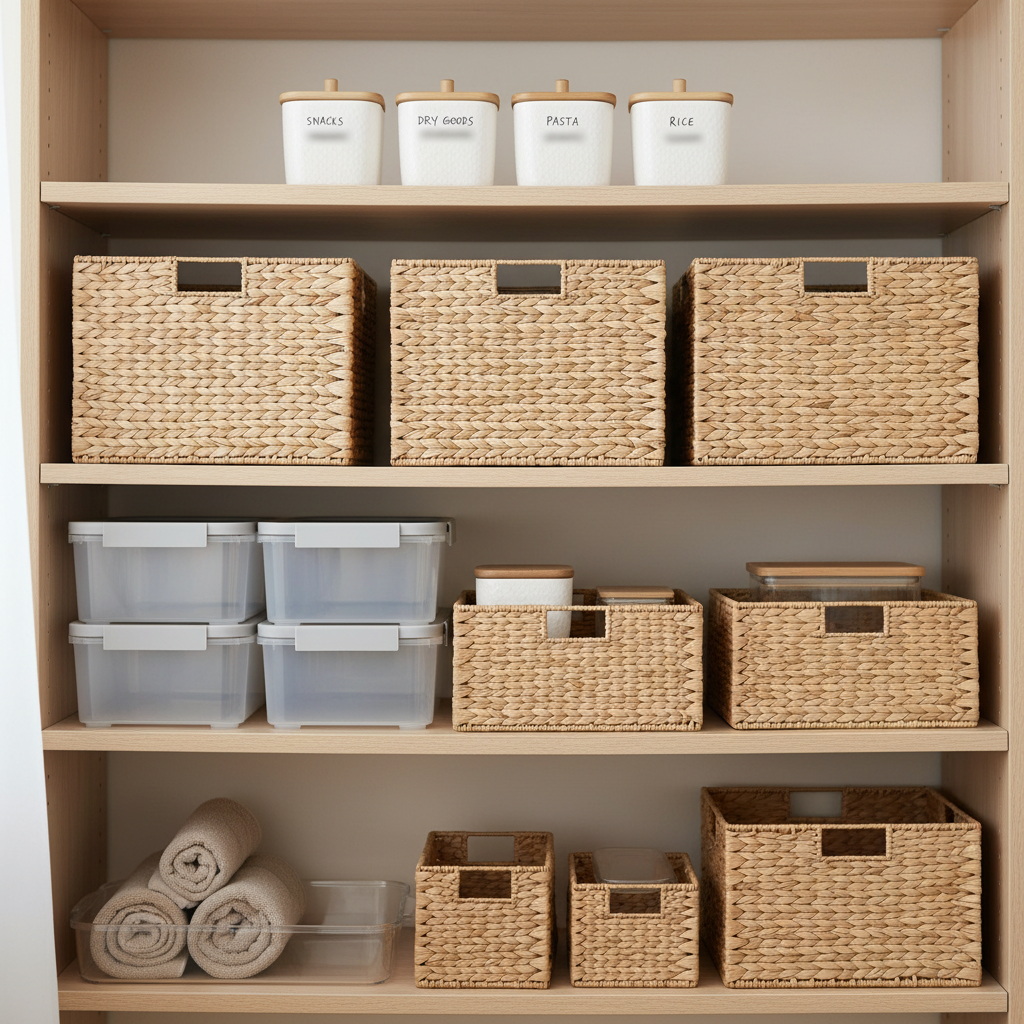
An organized system ensures the resources you gathered to stock a pantry for winter remain safe and usable. Implement the First In, First Out (FIFO) method by placing new purchases behind older stock. To manage your curated selection of everyday essentials efficiently, group items into clear bins or woven baskets labeled by category, such as "Baking" or "Quick Meals." This prevents smaller goods from being forgotten in the back of the cupboard.
Proper environmental control is equally important for longevity. While most Utah basements provide ideal cool and dark conditions, ensure shelves are positioned away from heating vents or hot water pipes that can accelerate spoilage. Our accessible and welcoming environment provides the practical tools needed to maintain your seasonal stores. If you need specific organization supplies or storage containers, you can contact us for stock inquiries to see our current inventory.